
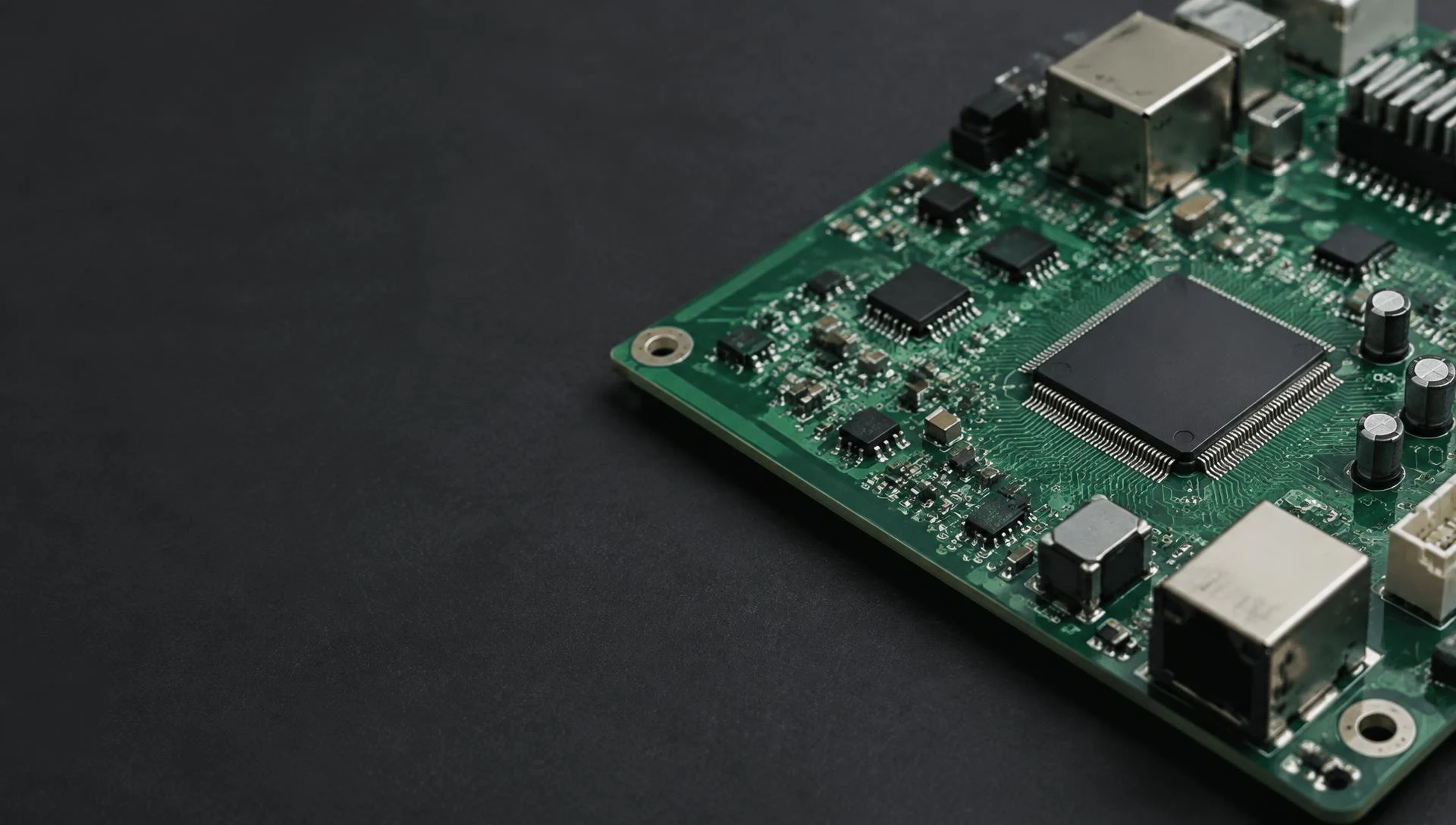
Hardware · Firmware · IoT
Custom design and development of IoT electronic devices.
Bambootronics supports you from defining requirements, hardware and firmware design to prototyping, validation and organizing production within your project scope.
Technical illustration · Not a product photo
Start from your need
Where do you need support?
Start from requirements, not from a drawing.
Together we clarify the required functions, operating conditions and validation criteria, then define the right architecture, risks and development scope.
Information to prepare
- Product and application description
- Functions that must be proven
- Size, power and connectivity constraints
MVP Builder
Tự định nghĩa thiết bị của bạn trong 10 phút.
Chọn ứng dụng, lắp các khối chức năng, xem ngân sách tham khảo và nhận bản yêu cầu (SOR) để cùng kỹ sư Bambootronics bắt đầu. Không cần biết thiết kế mạch.
Mở MVP Builder- Chọn ứng dụng từ 12 điểm khởi đầu
- Kéo thả MCU, kết nối, cảm biến, nguồn
- Xem NRE, pilot, MP tham khảo — chưa phải báo giá
- Tải SOR hoặc gửi trực tiếp cho kỹ sư
Services. Products. Solutions.
Engineering expertise, hardware platforms and application directions — three ways to start your project.
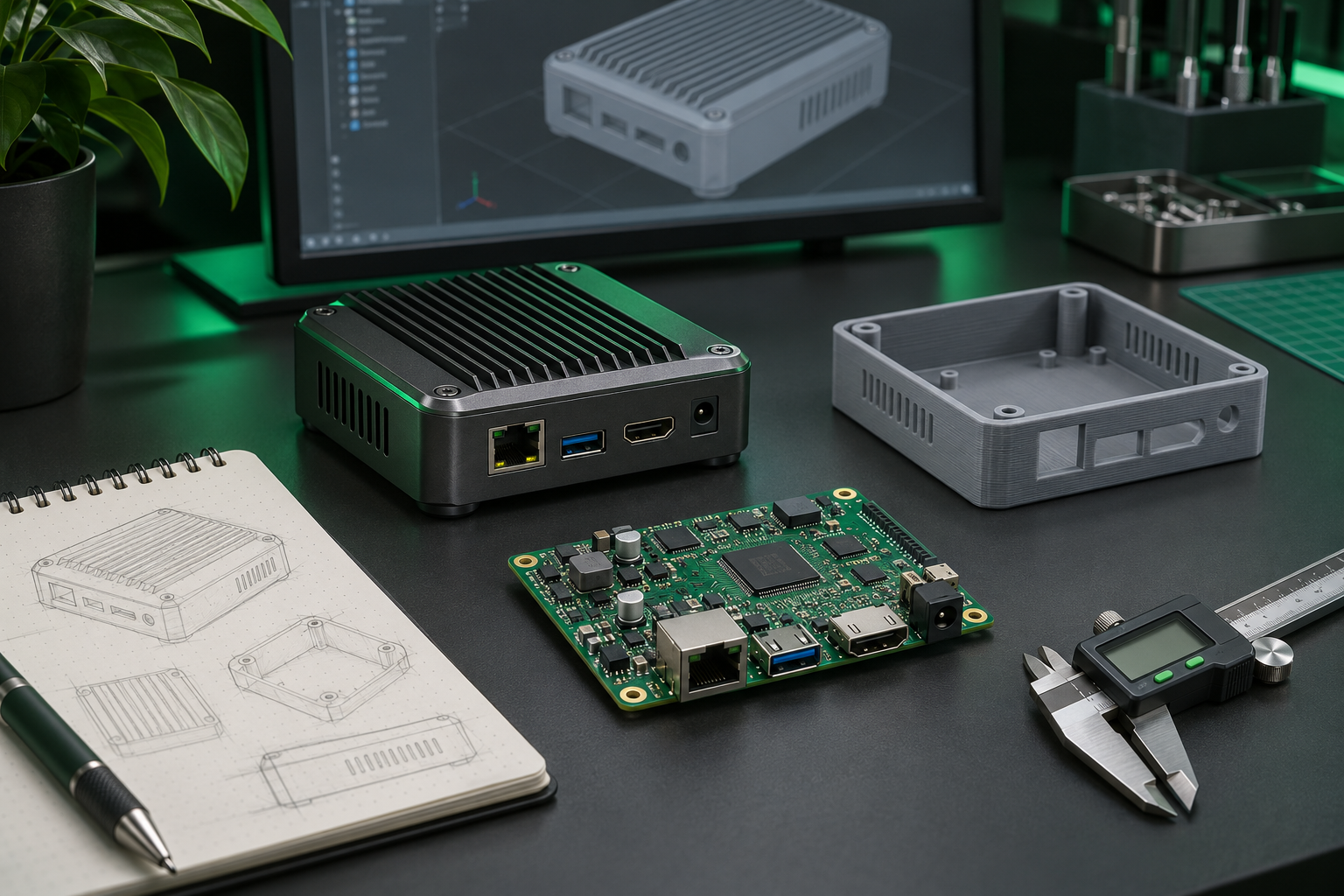
Engineering services
Reference Design & Development Platforms
Custom evaluation boards, application reference designs, expansion boards and embedded platforms. Scope can include hardware, demo firmware, board bring-up, documentation and production support.
Quoted by project scope.View service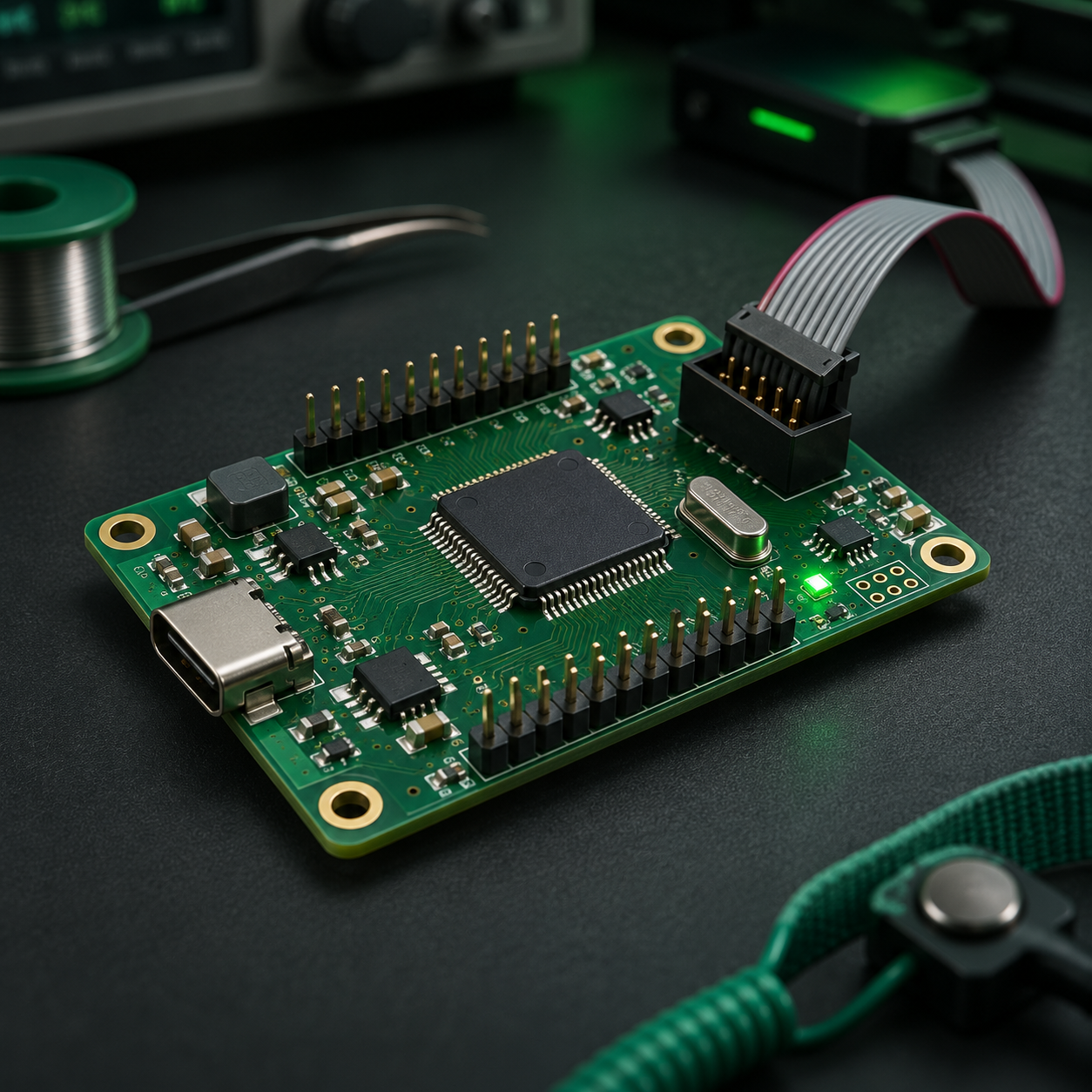
Illustration Engineering services
Firmware & Embedded Systems
MCU firmware and embedded Linux software designed for reliable operation, low power consumption and OTA updates with integrity verification.
Quoted by project scope.View service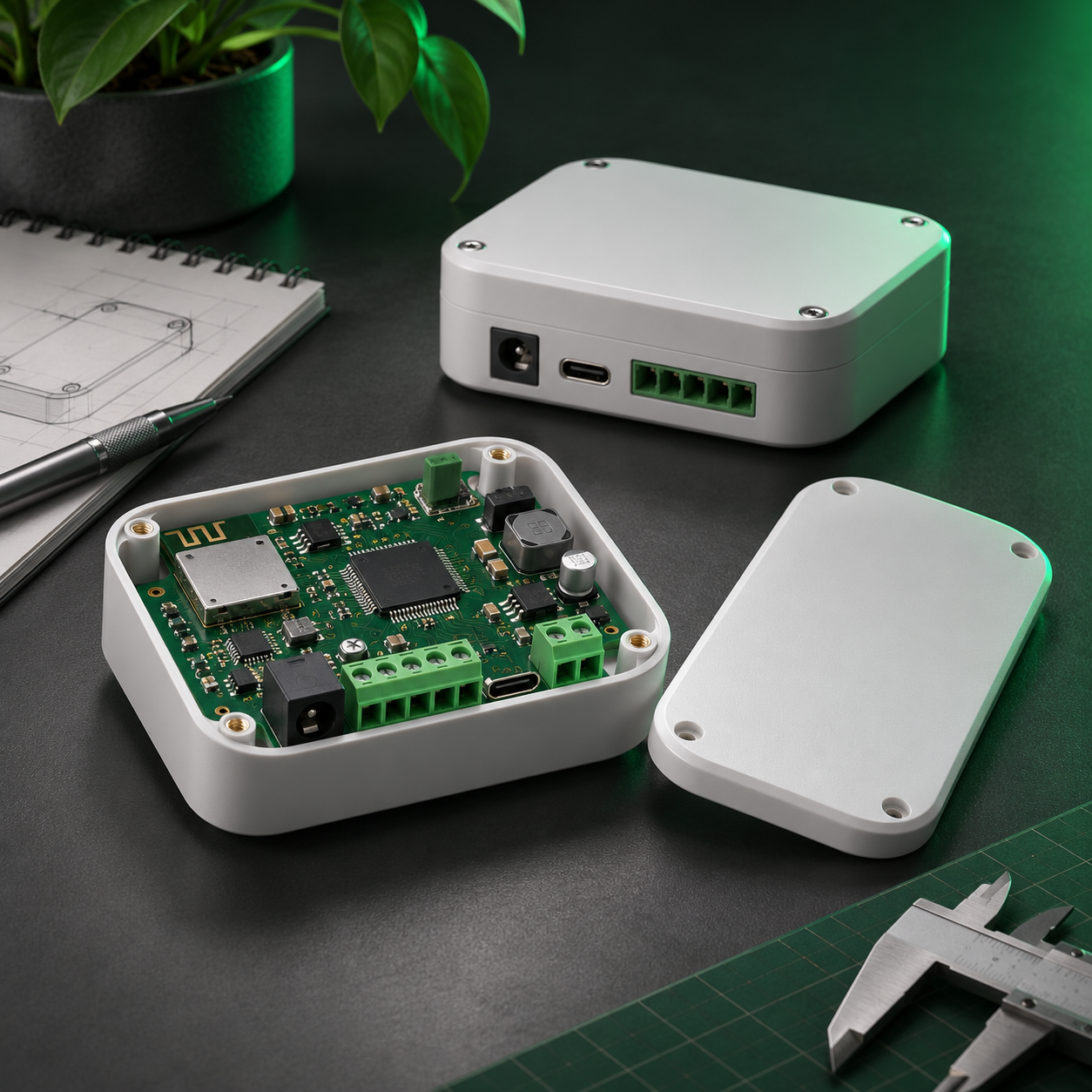
Illustration Engineering services
End-to-End ODM Product Development
From product requirements to electronics design, firmware, prototypes and production preparation, delivered within an agreed project scope.
Quoted by project scope.View service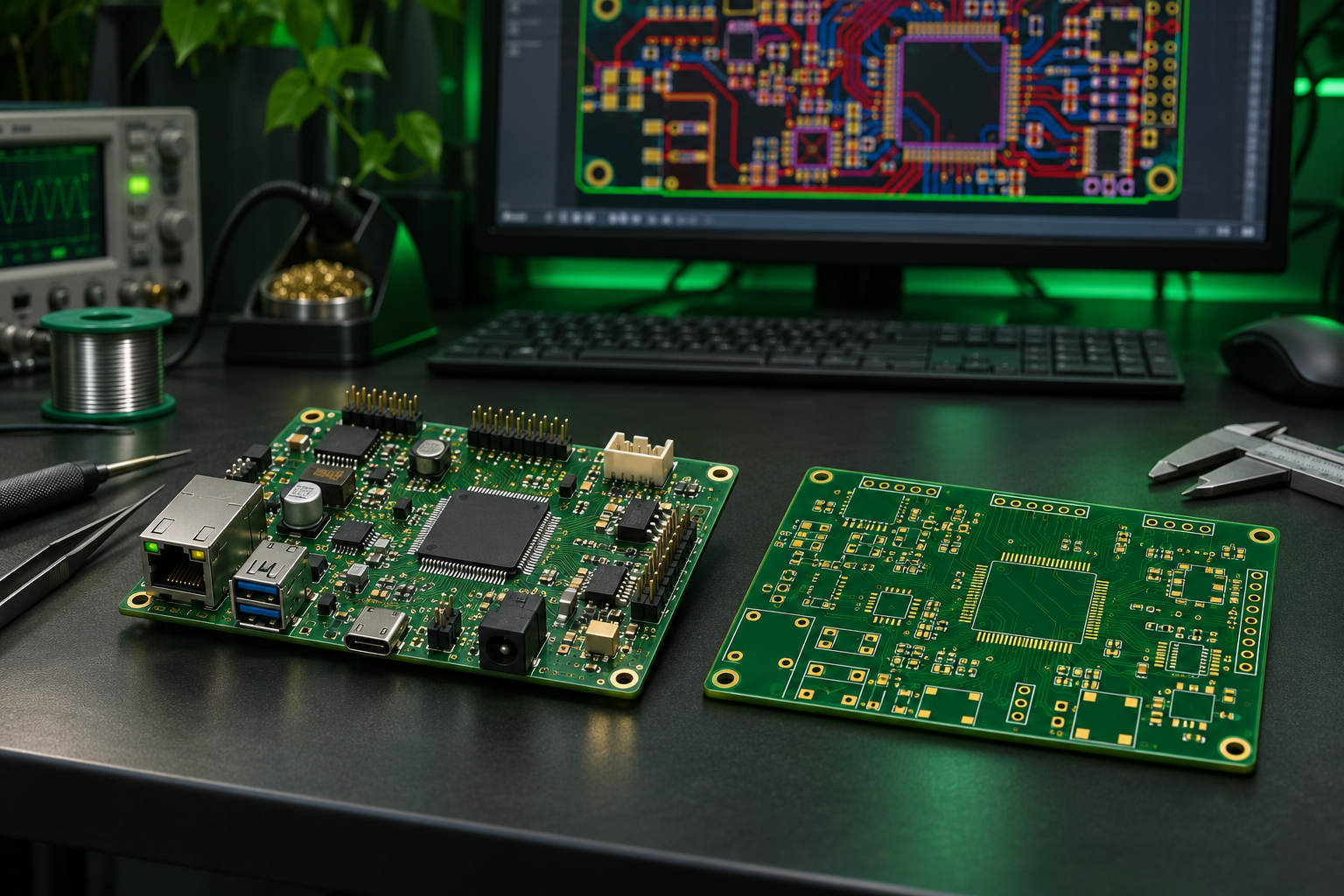
Illustration Engineering services
Hardware & PCB Design
System-level hardware engineering and multilayer PCB design focused on performance, EMC, cost, testability and manufacturability.
Quoted by project scope.View service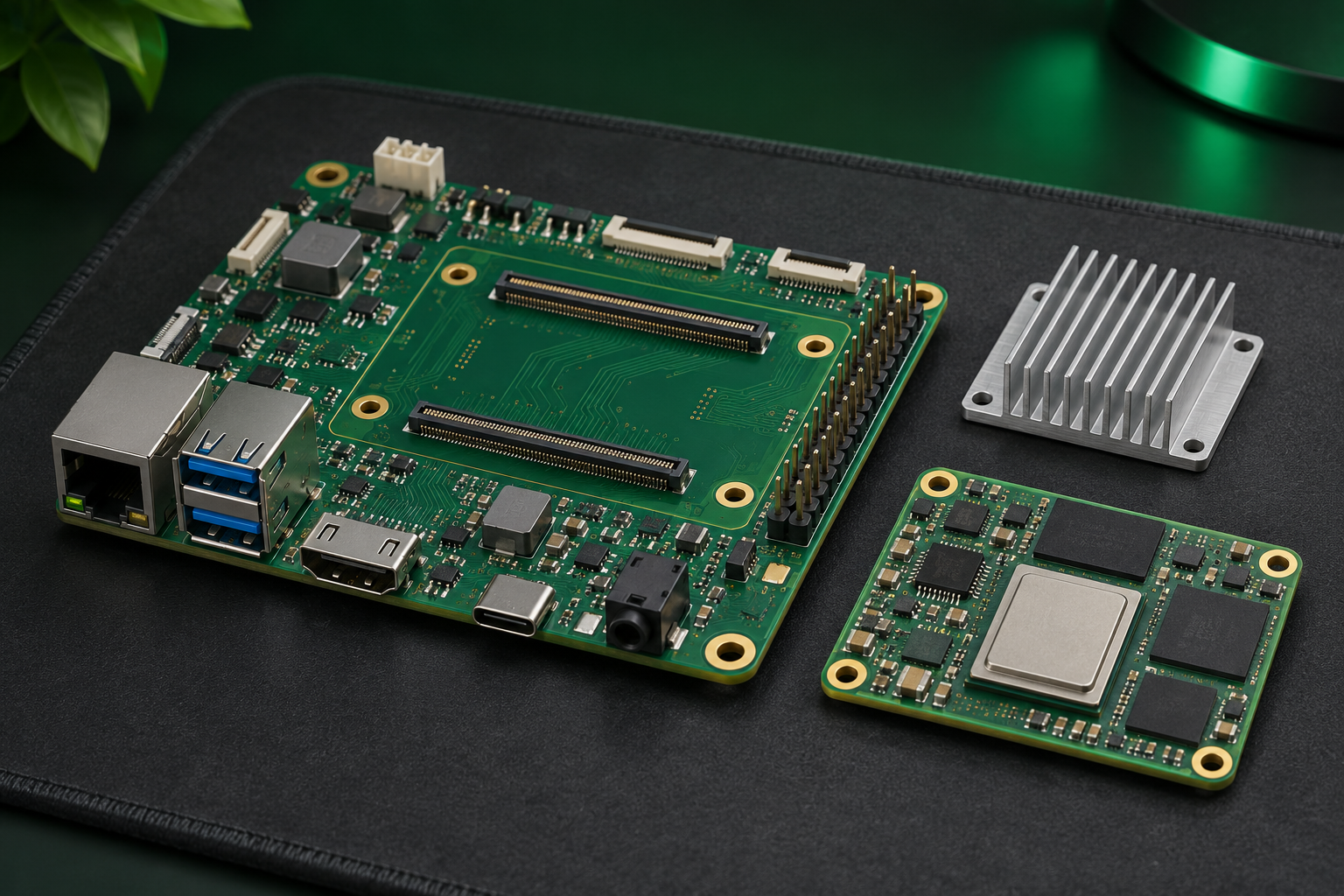
Engineering services
CM4 / CM5 Carrier Board Design
Application-specific Raspberry Pi Compute Module platforms integrating connectivity, power, storage, thermal requirements and industrial I/O.
Quoted by project scope.View service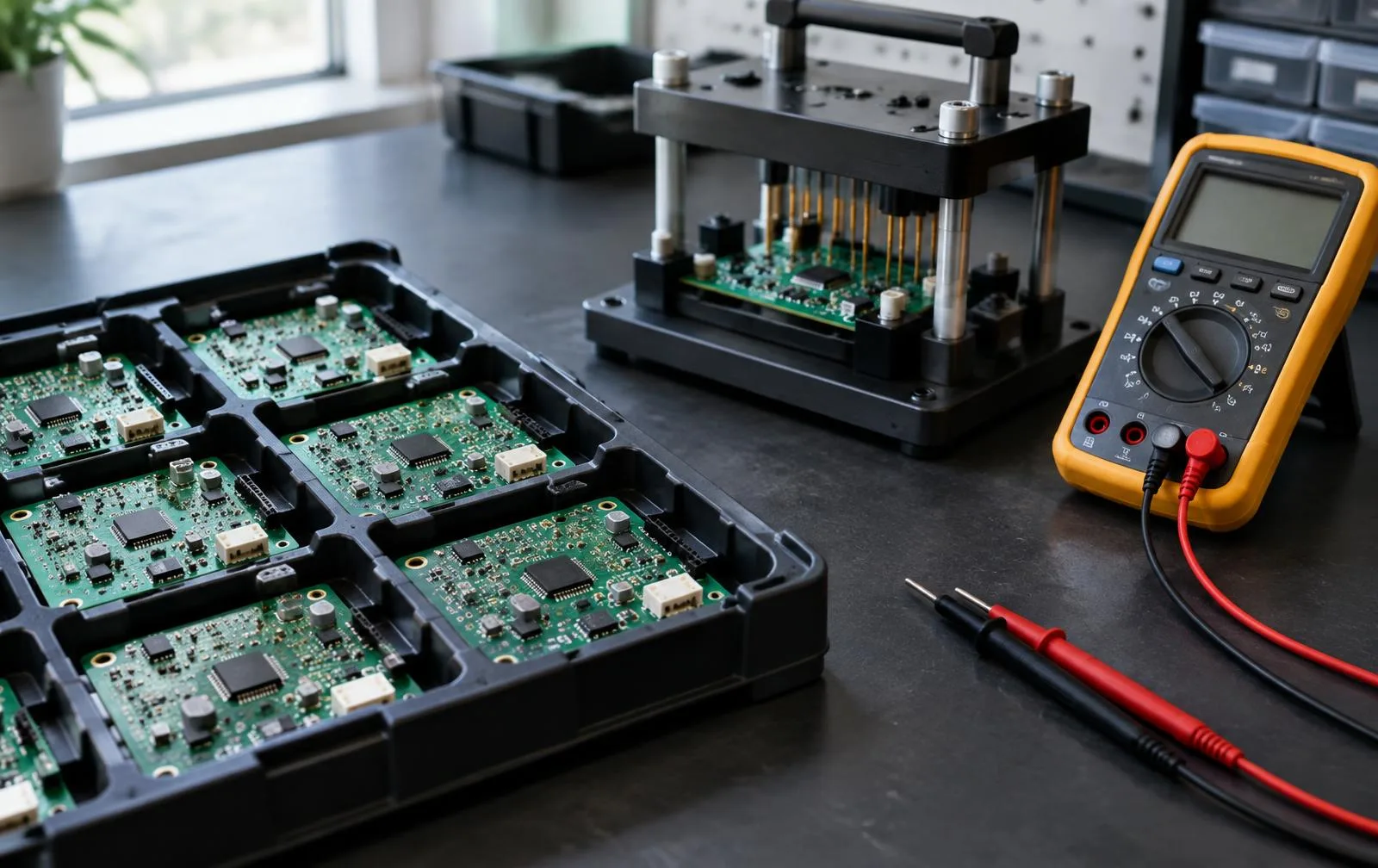
Illustration Engineering services
PCBA, NPI & Production Support
Component procurement, SMT/THT assembly coordination, inspection and functional testing, with engineering control from prototypes to repeat production.
Quoted by project scope.View service
Capabilities
Engineering service scope.
The work Bambootronics takes on within each project's scope. The exact scope is set out in the SOW / quotation.
Electronic hardware design
System architecture, component selection, schematic and PCB.
Firmware and embedded systems
MCU firmware, embedded software and embedded Linux systems.
Prototype integration and validation
Integrating hardware, firmware and software; validating the agreed functions.
Production preparation and organization within project scope
Organizing material sourcing and managing production according to the agreed scope and approach.
Engineering capabilities
Design with deliverables.
Validation with criteria.
From design to production decisions, scope and handover data need to be clear.
Design documentation
Schematic, PCB, BOM, Gerber and firmware within the SOW scope.
Validation and NPI
Requirements → design → prototype → validation → pilot and transfer within scope.
Acceptance criteria
Test plans, technical risks and certification requirements are agreed for each project.
Certification preparation does not mean a product is certified. Manufacturing scope is coordinated with EMS providers.
View engineering servicesFrom design to device
Example products and designs.
Some designs and devices from the Bambootronics website. These are capability examples, not case studies. Configuration and customization are discussed per need.
Embedded computing
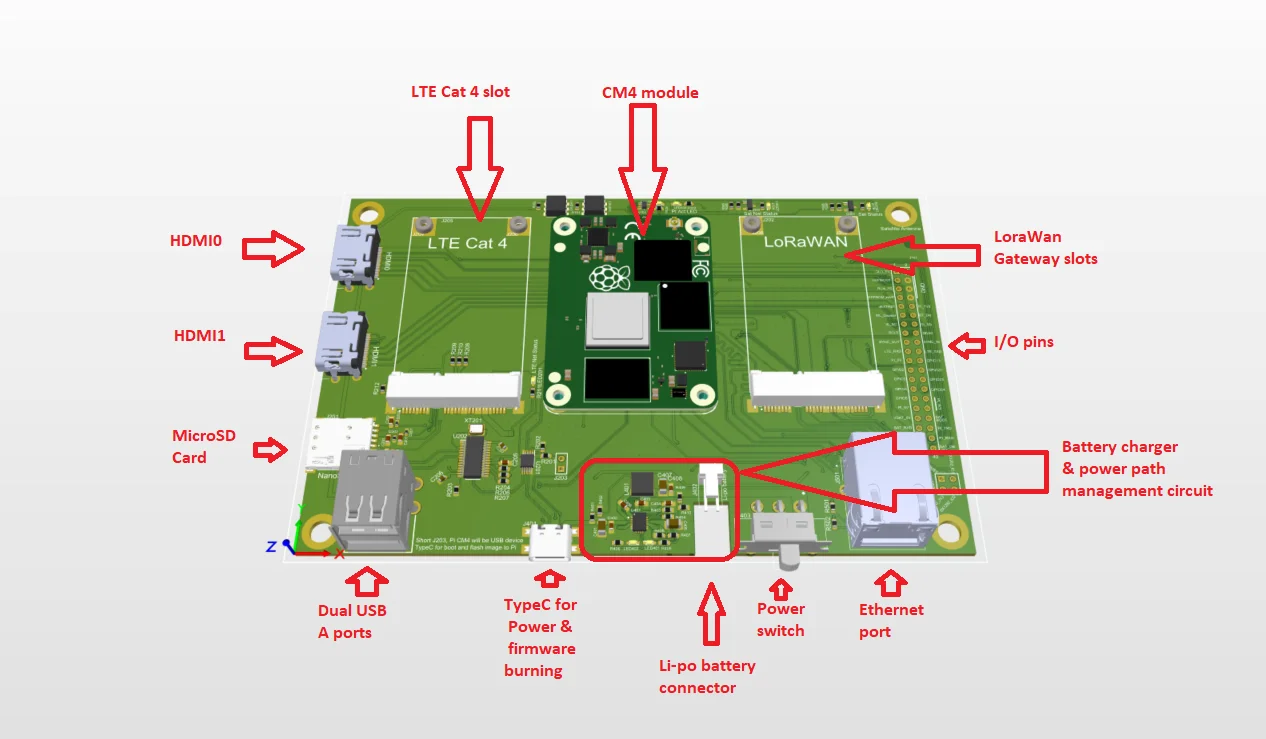
Carrier board CM4
Hardware and connectivity interfaces for embedded Linux systems.
Discuss your projectDesign / device photo from bambootronics.vn
Process
Clear, step by step.
Requirements, scope and validation method are agreed by both sides for each project.
- 1
Clarify requirements
Define the application, functions, constraints and project scope.
Requirements · Scope · Risks
- 2
System design
Select the architecture and components; design the hardware and embedded software.
Architecture · Schematic · PCB
- 3
Prototype development
Integrate hardware, firmware and software within the agreed scope.
Hardware · Firmware · Prototype
- 4
Validate and define next steps
Test the prototype and prepare data for the next development decision.
Testing · Data · Next steps
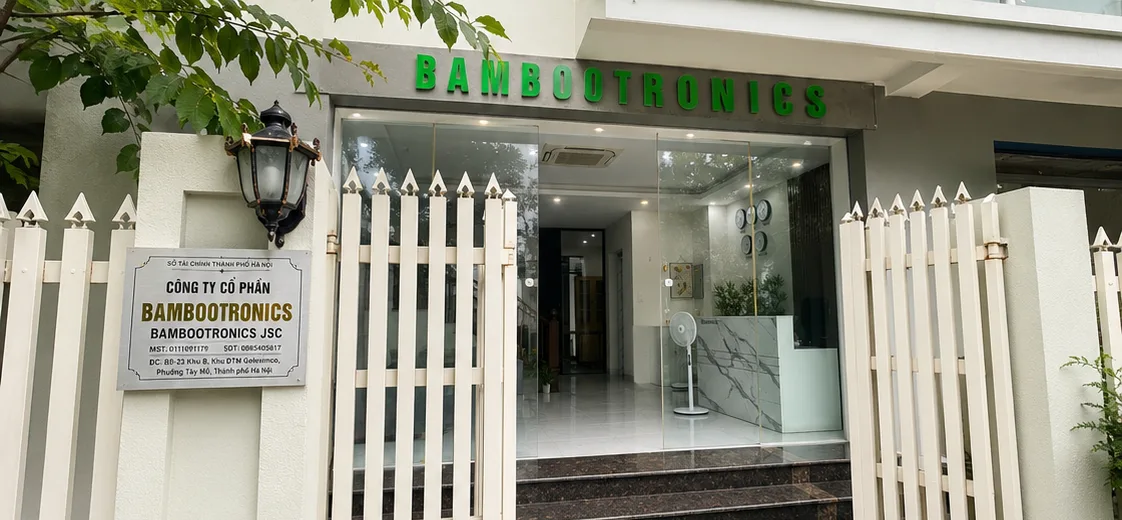
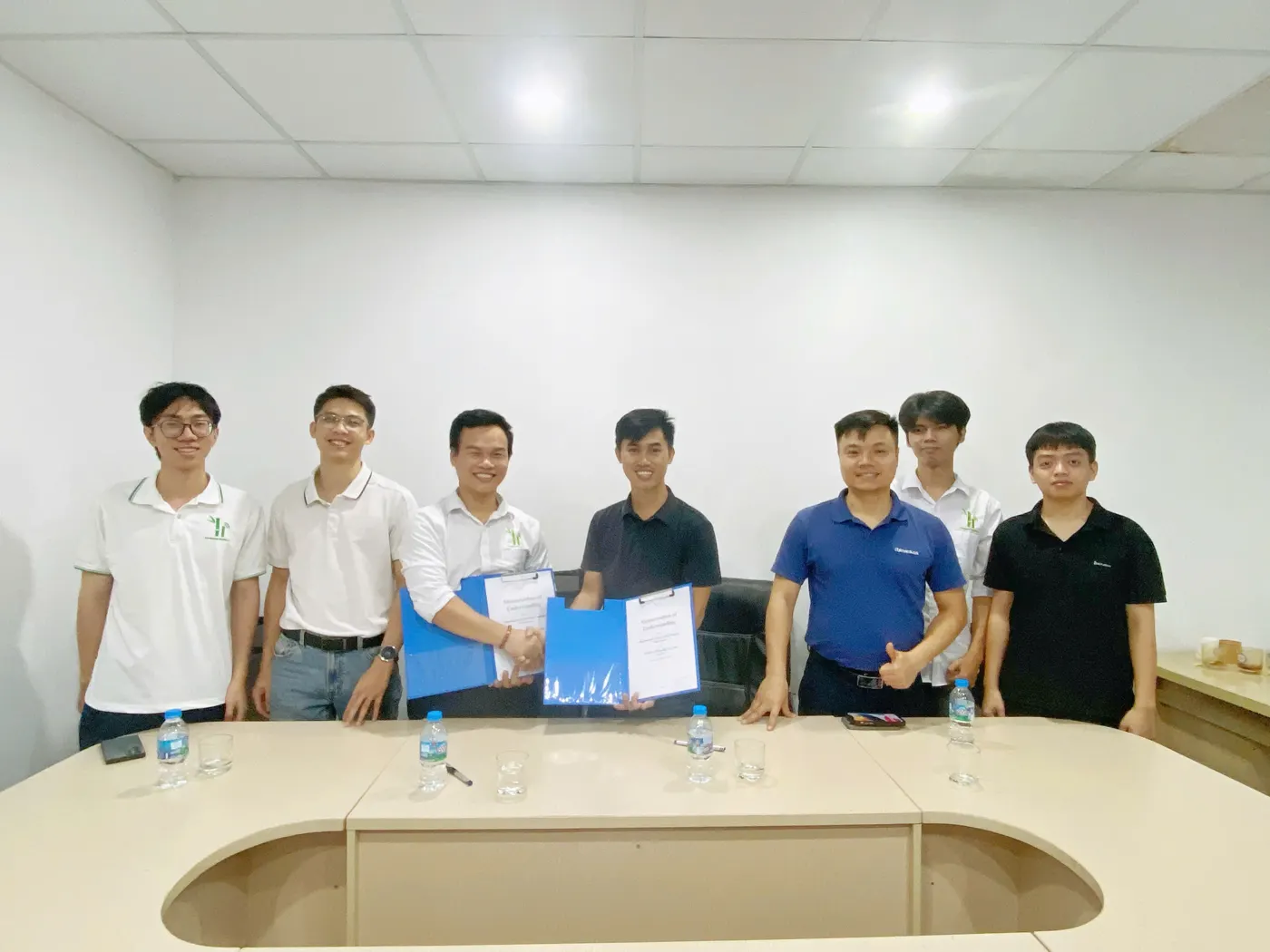
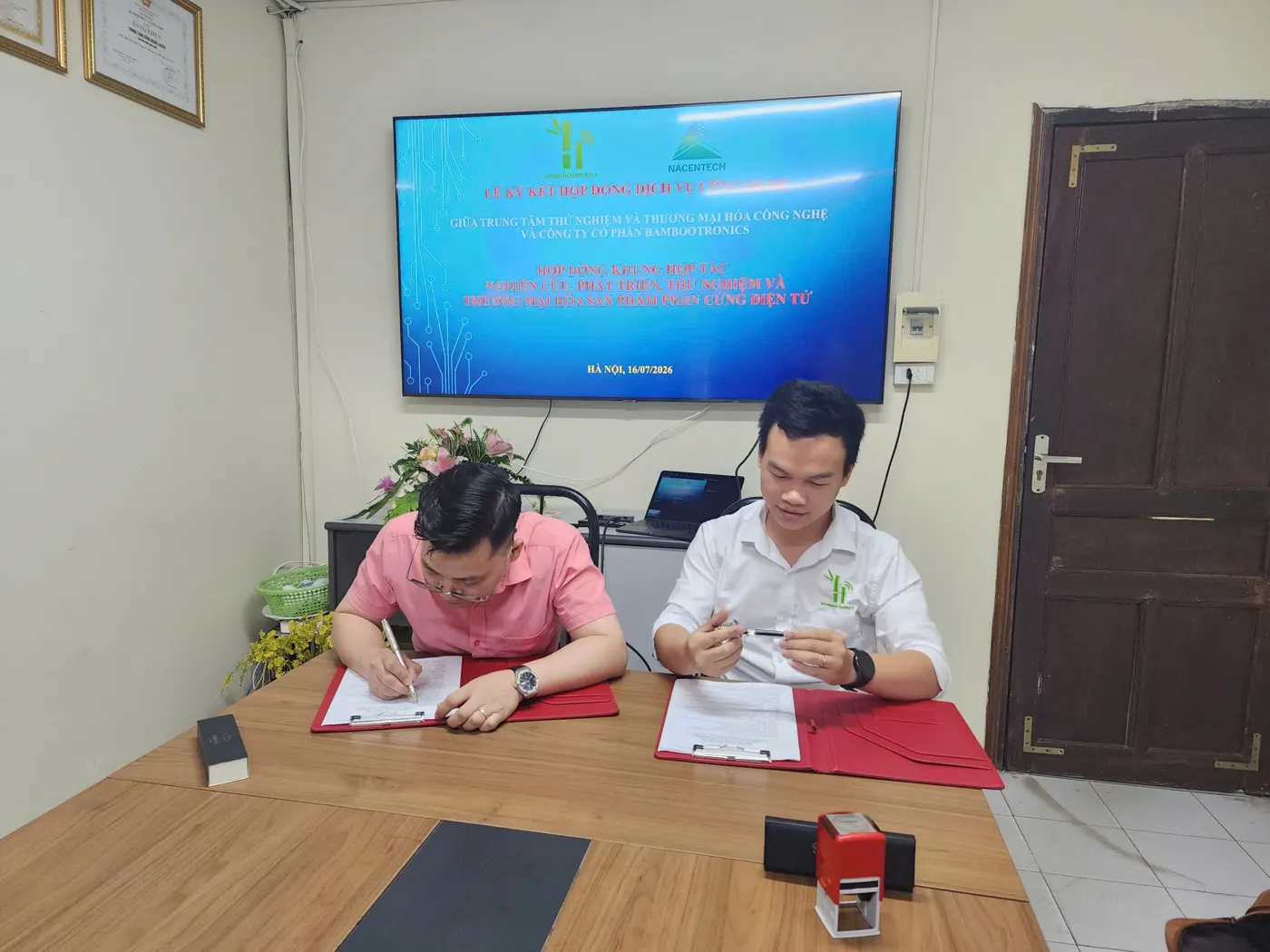
People & workplace
Team and office
in Hanoi.
Bambootronics' office, R&D center and real working sessions.
FAQ
Before you start.
Specific terms are defined by the requirements and the agreement between both parties.
Start from your idea or current project.
Share your application, current status and required functions. You don't need a complete technical specification to start the conversation.